Renewable Energy in Scandinavia:
Overview of Renewable Energy in each Scandinavian Country
- Scandinavia has managed to reduce its carbon emissions and achieve considerable economic growth. As a result, countries like Denmark and Sweden, Finland, and Iceland have become some of the greenest in Europe.
- In 2012, energy from renewable sources was estimated to have contributed 14.1 percent of gross final energy consumption in the 28 countries of the European Union, up from 8.3 percent in 2004, the first year for which data was available. The goal is to increase this percentage to 20 by the year 2020.
- Those EU counties who use the most renewable energy include Sweden (51 percent of total consumption), Latvia (estimated at 35.8 percent) and, coming in third, Finland with 34.3 percent. Over the last ten years, growth in the use of renewable energy has been most significant in Sweden, Denmark and Austria.

- The exploitation of finite resources is a double-edged sword. Not only is it harming the planet for future generations, but it will also ultimately affect economic return. However some countries in Europe seem to have embraced the concept of sustainable economics and clean energy more than others. These nations have recognized that a reliability on limitless natural resources such as the wind and sun ensure a brighter future for their people and businesses.

- Sweden being the first country to reach the EUs renewable energy targets is partly due to industry demand and the rapid adoption of new technologies.
- Renewable technologies are being used in Sweden across all sectors, and there is a strong correlation between economic growth and reductions in waste and greenhouse gases, the optimum use of natural and human resources, and the production and conservation of energy through ongoing innovation.
- Sweden has invested heavily in the search for alternative energy sources ever since the oil crisis of the early 1970s. In 1970, oil accounted for more than 75 per cent of Swedish energy supplies; today, the figure is around 20 per cent, chiefly due to the declining use of oil for residential heating.

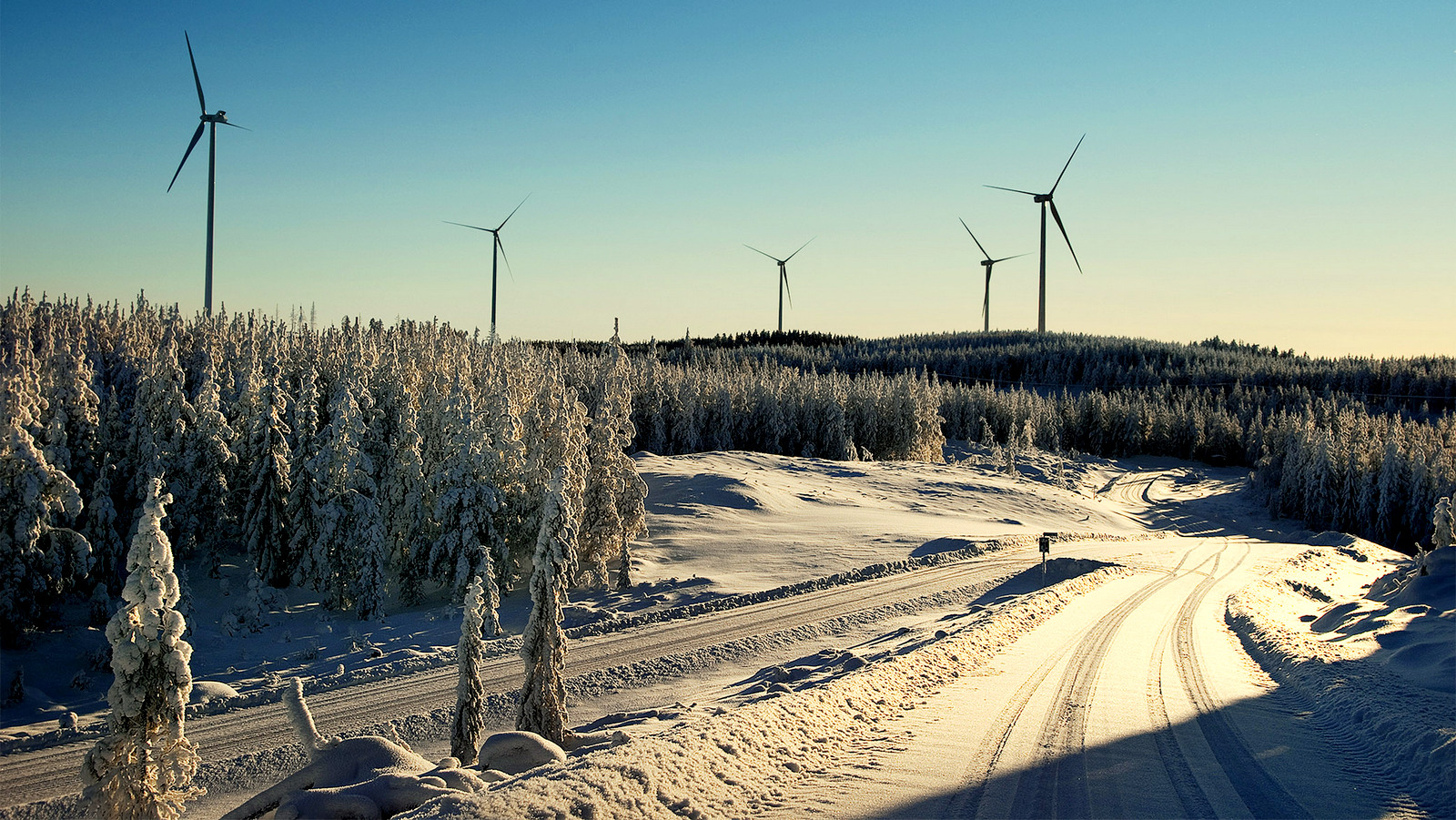
- Few countries consume more energy per capita than Sweden, yet Swedish carbon emissions are low compared with those of other countries. According to the latest statistics from the International Energy Agency (IEA), the average Swede releases 4.25 tonnes of carbon dioxide (CO₂) per year into the atmosphere, compared with the EU average of 6.91 tonnes and the US average of 16.15 tonnes. Sweden has found a way to reduce carbon emission while its economy continues to grow.
DENMARK


- Among the most virtuous places in Europe is Denmark. Despite the fact that in 2009, oil and natural gas represented 36% and 22% respectively of the country’s total primary energy supply, it has gradually moved towards reducing its CO2 emissions.
- A surge in wind farm installations means Denmark could be producing half of its electricity from renewable sources well before a target date of 2020,

Norway

In Norway, 98 percent of the electricity production come from renewable energy sources. Hydropower is the source of most of the production.
- Hydropower has been the basis for Norwegian industry and the development of a welfare society since we started utilizing the energy in rivers and waterfalls to produce energy in the late 1800s. Since then, the Norwegian hydropower has become an increasingly important part of the Norwegian society. The usage of electricity has increased in line with the modernization and economic growth in Norway.
- In Norway, 98 percent of all electricity production come from renewable sources. This puts us in a unique position in both a European and global perspective.
- Electricity production in Norway is for the most part based on flexible hydropower, but both wind and thermal energy contributes to the Norwegian electricity production. In 2013, Norway produced 134 terawatt hours (TWh) electricity. One TWh equals one billion kilowatt hours (kWh). By comparison, the Norwegian capital, Oslo, consumes around nine TWh each year.

Finland


- EU statistics show 34.3 percent of Finnish energy currently comes from renewable sources, meaning that of the EU countries, Finland ranks third for renewable energy use, only behind Sweden and Latvia.
- Most of renewable energy consumed in Finland consisted of bio-energy, largely in the form of wood-based residuals combusted in pulp and paper plants to fuel industrial processes.
- Finland aims for a carbon-neutral society by 2050. The goals is for 60% of energy sources to be from renewables by that time.


 Iceland
- Among energy works, Iceland is well known for using its abundant renewable energy, and especially for tapping the volcanic roots of the island in developing its geothermal resources.
- Iceland today generates 100% of its electricity with renewables: 75% of that from large hydro, and 25% from geothermal. Equally significant, Iceland provides 87% of its demand for hot water and heat with geothermal energy, primarily through an extensive district heating system.


No comments:
Post a Comment